Finding Balance: How Bellingham COA Expanded Yoga Offerings to Embrace All Abilities
At the Bellingham Council on Aging (COA), warmth and laughter are as much a part of the atmosphere as the aroma of freshly brewed coffee. Josie Dutil, the COA’s energetic director, is passionate about healthy aging and has fostered a vibrant community hub. While Bellingham COA has a long history of offering traditional yoga classes, Josie recognized an opportunity to expand their offerings and make the practice more accessible to a wider range of patrons.
“We’ve always had yoga here,” Josie explains. “But after attending a chair yoga session at the MCOA Fall Conference in 2023, it clicked. We realized we could reach so many more people by offering a gentler, more adaptable form of yoga.”
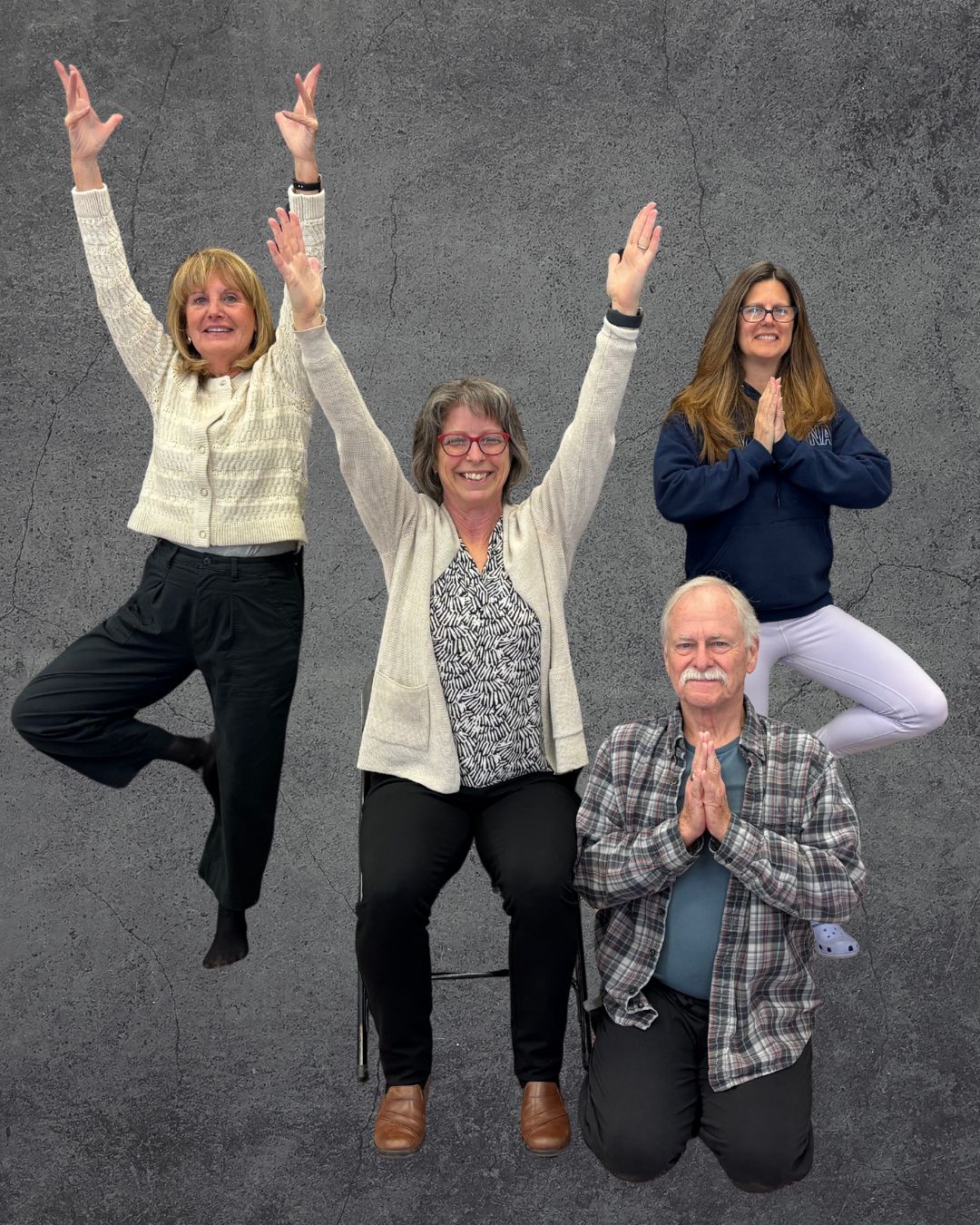 Inspired by the conference and recognizing the potential benefits for her community, Josie and her staff took action. They utilized State Formula grant funding to certify three staff members to become chair yoga instructors. This strategic investment in their team’s expertise has transformed the COA’s yoga program.
“Chair yoga is a fantastic way to introduce people to the benefits of yoga, regardless of their age or physical abilities,” Josie emphasizes. “It’s adaptable for everyone, whether they’re new to yoga or have physical limitations that make traditional mat classes challenging.”
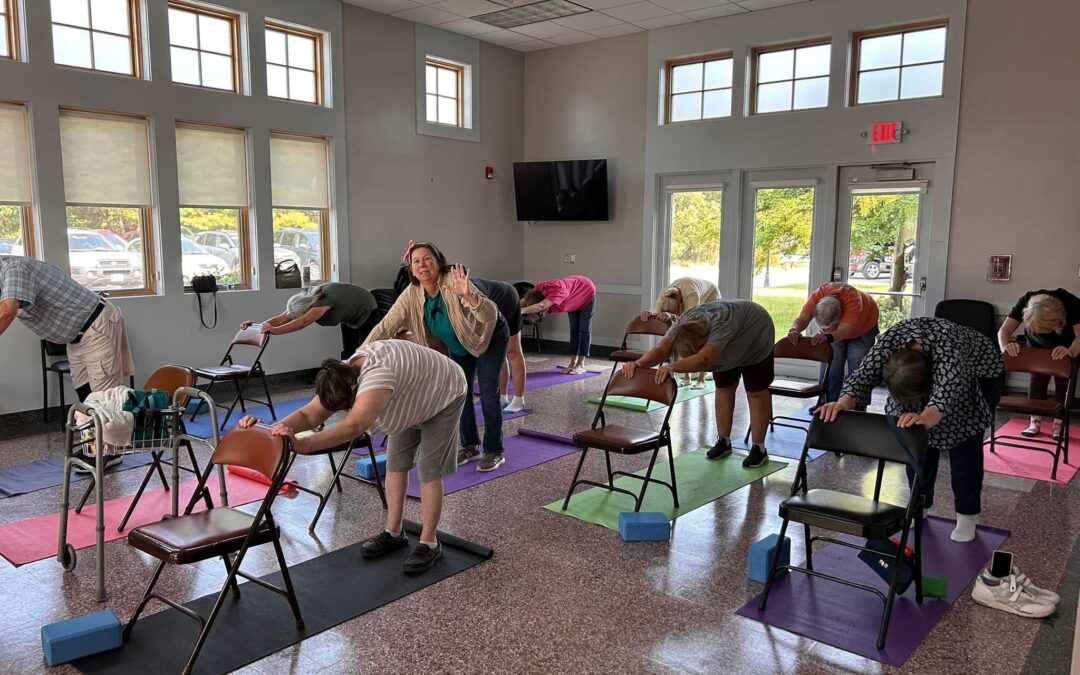
The addition of chair yoga has significantly broadened the COA’s reach. Participants who previously felt excluded from traditional yoga classes now find themselves welcomed and empowered. The gentle movements and modifications offered in chair yoga make it possible for individuals with mobility issues, chronic pain, or other health concerns to participate fully and experience the many benefits of the practice.
“We have people in our chair yoga classes who never thought they could do yoga,” Josie shares. “They’re discovering newfound strength, flexibility, and balance, and it’s been incredible to witness their progress.”
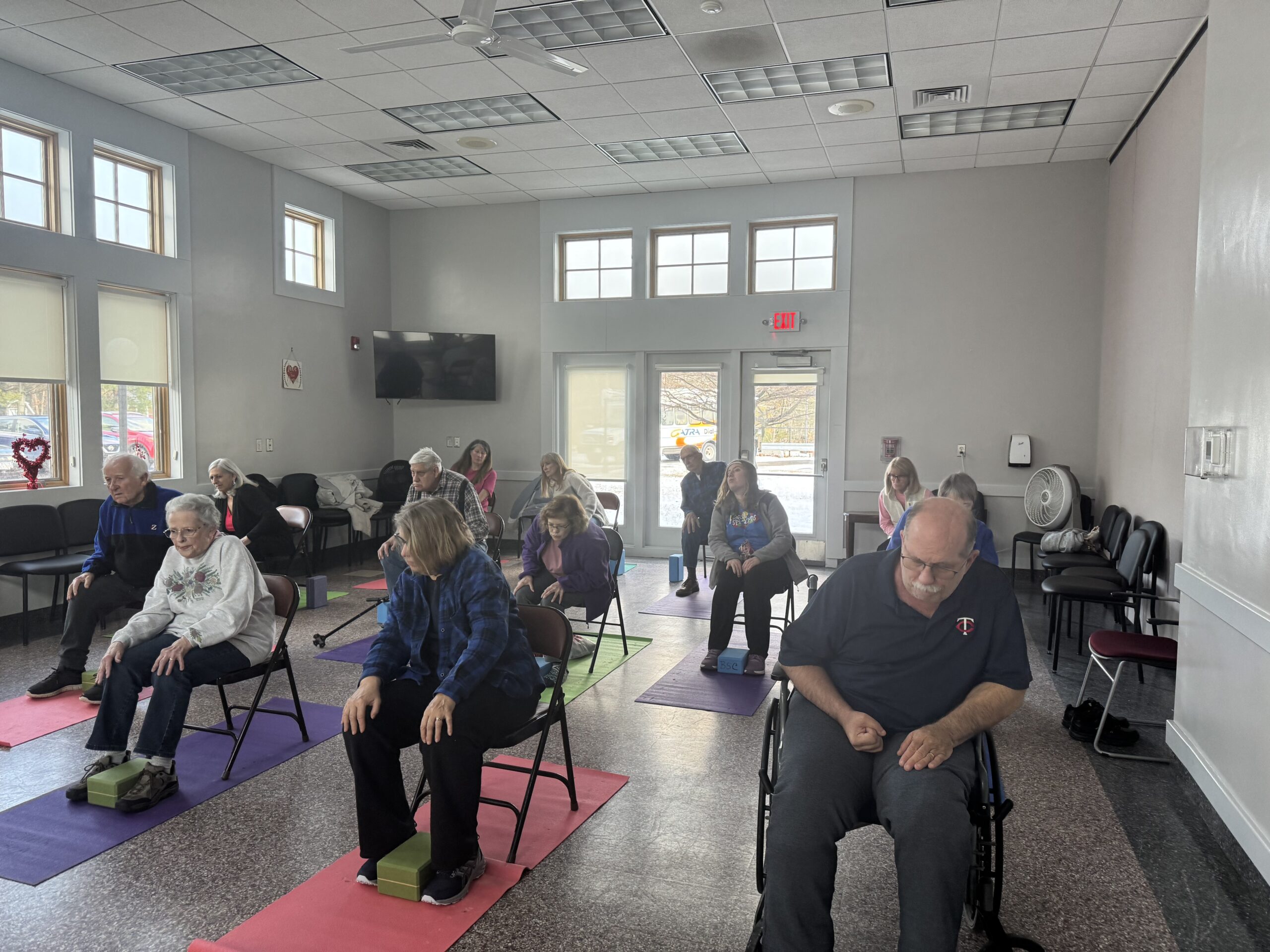 One particularly inspiring example is a family who regularly attends the chair yoga class together. The mother, a dedicated caregiver for both her husband, who uses a wheelchair after a stroke, and her adult daughter with special needs, finds a precious hour of respite and self-care in the class. “It’s clear that this time is a gift for her,” Josie observes, “a chance to focus on her own well-being amidst the demands of caregiving.” Her husband also benefits greatly, finding a supportive environment where he can move his body and connect with others. Recently, he even surprised everyone by standing during the balance portions of the class – a testament to his newfound confidence and strength. “It was a beautiful moment,” Josie recalls. “It shows how yoga can empower people to push their boundaries and discover new possibilities.” The daughter’s presence adds another layer of joy and inspiration to the class. “Her ability to live in the present moment is a reminder to us all,” Josie reflects. “This family’s participation enriches the class in so many ways.”
Beyond the physical benefits, the expanded yoga program has also fostered a stronger sense of community within the COA. Participants connect with one another, share experiences, and build supportive relationships. The classes provide a welcoming space for social interaction and create a sense of belonging.
The Senior Center also offers something called “Adaptive Yoga. “We make the yoga poses available to all,” says instructor Dave Dunbar. So each pose can be adapted to the needs and abilities of the people in class. “Most of the poses we do every week are done on the floor,” Dave continues, “and that means people don’t have to stand up, lie down, stand up, etc. which is hard for some.”
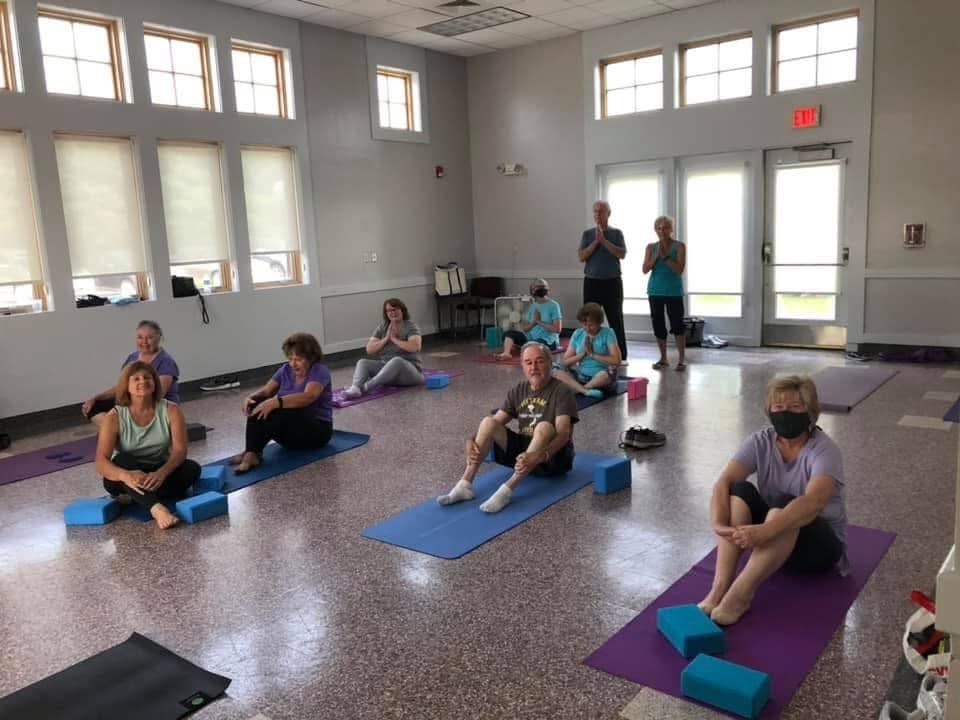 “Our yoga classes are more than just exercise; they’re a community,” Josie reflects. “People look forward to coming, not just for the physical benefits but also for the social connection and the sense of camaraderie.”
The success of Bellingham COA’s expanded yoga program is a testament to Josie’s vision, her staff’s dedication, and the power of partnership with MCOA. By recognizing a need and taking proactive steps to address it, they’ve created a program that truly embodies the principles of healthy aging and community well-being. They’ve not just added a class; they’ve opened doors to a more inclusive and vibrant community.