Cape Cod, especially the Lower Cape region, is home to a significant population of older adults, with nearly 60% of Orleans residents over the age of 60. Within this demographic lies a vibrant, yet sometimes isolated, LGBTQ+ community. Judi Wilson, Director of the Orleans Council on Aging and Senior Center, shares the inspiring journey of how her team proactively created a safe and welcoming space for LGBTQ+ older adults, starting from scratch over a decade ago.
“We had a long-term desire to create a safe space to help people reconnect,” Judi explains, noting that many LGBTQ+ individuals who retired to the area found themselves experiencing a “second coming out” as they navigated new community connections. This observation spurred the Orleans COA to set a broad goal: “creating some kind of LGBTQ+ specific program.”
 The Orleans COA launched its program in 2013, driven by a commitment to addressing isolation and fostering connection. Their recent 10th annual Pride event drew over 200 attendees, a testament to their sustained efforts. Initial programs were intimate, drawing “maybe 25 to 30 people” to monthly Friday evening social events that often included a meal. Judi emphasizes the importance of these early stages: “It was very important to us that we establish a connection with the LGBTQ+ community, that they knew that they were welcome and valued, that the participation was confidential, that this would be a safe space.”
While their program initially saw significant growth, Judi highlights a positive shift: “Today we don’t get that kind of a turnout… because we want people to be able to connect in community and when that can happen closer to home, I think that’s a good thing.” The success of Orleans has inspired other Cape communities like Chatham, Eastham, Bourne, Yarmouth, and Harwich to launch their own LGBTQ+ inclusive programs, demonstrating a ripple effect of positive change.
The Orleans COA’s programming has evolved over the years, now focusing on larger, seasonal events like Friendsgiving, holiday celebrations, Pride events, and intergenerational programs. They’ve hosted a remarkable array of activities, from Mardi Gras and Halloween parties to legal issue discussions, sexuality programs, film weekends, and even a “Lily Tomlin night.” The consistent element? Food. As Judi quips, “If you feed them, they will come.” She notes that food helps “relax people and makes conversation a little bit more informal.”
A crucial aspect of their success has been the integration of LGBTQ+ individuals into the broader COA community. “People who participate in that program are definitely way more integrated into our other programs,” Judi observes, attributing this to a foundational sense of support, safety, and acceptance. This integration was fostered by a critical first step: “Prior to doing this, we had a full staff mandatory training, more than just an online training. We did an in-person sensitivity training for the staff so that we could get everybody on board with what our goals were.”
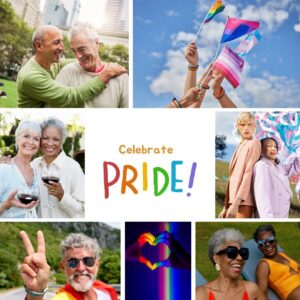 Judi reflects on the unique decision for the COA to directly administer the program, rather than solely supporting a volunteer-led group. While acknowledging potential arguments for either approach, she believes, “Having the COA actually administer the program really helps you integrate the values into your operation in a very different way.” This direct administration, she contends, has facilitated deeper integration of inclusive values throughout all COA offerings. “You have to know your community,” Judi advises, echoing the common wisdom that “if you’ve seen one senior center or COA, you’ve seen one senior center.”
For Judi, this work matters deeply because “isolation is still such a significant problem in the LGBTQ+ population.” She views their LGBTQ+ programming as a “wellness program,” ultimately aimed at helping people “age healthier” through connection and engagement. She’s fortunate to work in a community that empowers the COA to innovate: “Our town has never been anything but supportive.” However, she acknowledges that challenges can arise from societal biases: “There are still people out there who aren’t accepting of the full human rights of people who are part of the LGBTQ+ community. And I think that’s why cultural training and education for the staff was so important.” Ultimately, she stresses, “It had to start at home.”
A Checklist for Councils on Aging Starting LGBTQ+ Inclusive Programs: Judi Wilson’s Top Tips
Judi offers invaluable advice for any COA director looking to embark on similar inclusive programming:
- Connect with the Local LGBTQ+ Community: “One of the first things I would do is try and connect with members of the LGBTQ+ community in your community,” advises Judi. This ensures programming is relevant and desired by those it aims to serve. Don’t “program at them,” but “program with them or for them, alongside them.”
- Start Small and Grow Organically: Not every program needs to be a large-scale event from day one. Begin with manageable initiatives that reflect your community’s capacity and interests.
- Secure Funding Strategically: Identify and pursue diverse funding sources, including grants, as municipal funds may have restrictions on serving non-residents.
- Train Your Staff Thoroughly: Invest in comprehensive, in-person sensitivity training for all staff. This is paramount to ensuring a genuinely welcoming environment. As Judi states, “Train your staff and set expectations and be firm about it. It has to start at home.”
- Foster Internal Buy-In: Ensure your entire team, from staff to volunteers, embraces the initiative. “You’ve got to make sure that your team embraces what you’re doing,” she emphasizes.
- Embrace Learning and Adaptability: Not every program will be an immediate success, and that’s okay. “There’s no failure in our work, not everything is a success, but having tried it, is just as important.” Learn from what works and what doesn’t and adjust your approach accordingly.
- Be Visible and Intentional: It’s important to recognize that a lack of targeted programming might unintentionally convey a message of exclusion. As Judi shared, “If you’ve never done anything, perhaps you have sent a message to the LGBTQ+ community.” Proactive and thoughtful outreach, coupled with clear messaging, is key to demonstrating authentic welcome.
Judi’s overarching message for other COAs and the broader community is clear: “If you have never done anything, you have sent a message to the LGBTQ+ community… that it’s not important to provide that kind of programming. I really think that everybody should be starting to do that.” She encourages starting small, even with a cup of coffee and a conversation with a publicly identified LGBTQ+ community member to understand unmet needs. Allies are abundant, and this work is vital for fostering truly inclusive and supportive environments for all older adults.