Rolling into Wellness: Your Path for Better Health

There’s more to being well than eating right and exercising! Wellness wheels showcase several aspects contributing to an individual’s health and fulfilling life.

National Wellness Month emphasizes the need to slow down and focus on small yet impactful lifestyle changes that lead to long-term wellbeing. Wellness should be an ongoing priority without being overwhelming. While August lasts for only 31 days, the habits and practices developed during National Wellness Month can lead to lifelong improvements.

Ways to Celebrate National Wellness Month
  1. Prioritize self-care – Engage in activities that you enjoy! They should make you feel refreshed and rejuvenated.
  2. Improve your diet – Add more whole foods, fruits, and vegetables into your meals to prevent disease and enhance energy levels.
  3. Increase physical activity – Whether it’s a daily walk, yoga, or a fitness class, staying active is crucial for a healthy body and mind.
  4. Stay hydrated – Drinking enough fluids daily is essential for digestion, circulation, and other bodily functions.
  5. Practice mindfulness and stress management – Deep breathing exercises, journaling, and meditation help manage stress and improve mental clarity.
  6. Get adequate sleep – Prioritizing quality sleep enhances mood, cognitive function, and physical well-being.
  7. Connect with others – Social interactions and meaningful relationships are vital for emotional health. Spend time with family, friends, or support groups to stay connected.
  8. Set wellness goals – Establish realistic goals. Track your progress to stay motivated throughout the month.


Setting wellness goals is an effective way to prioritize your physical, mental, and emotional wellbeing. No matter what you want to improve, establishing clear goals can keep you motivated and focused. By taking small, manageable steps toward better health, you can create sustainable routines supporting year-round wellbeing.


10 Ways to Set Wellness Goals 
  1. Define your wellness priorities – Identify areas of wellness to focus on.
  2. Set SMART goals – Your goals should be Specific, Measurable, Achievable, Relevant and Time-bound to track progress effectively.
  3. Start small and build gradually – Begin with manageable changes and increase over time.
  4. Create a wellness plan – Outlining the steps will help you reach your goals. Include deadlines and action items.
  5. Track your progress – Use journals, apps  or trackers to monitor your achievements. Adjust along the way, if needed!
  6. Stay accountable – Share your goals with someone or join a group and check in regularly.
  7. Incorporate mindfulness – Meditation, deep breathing or gratitude journaling supports mental and emotional wellness.
  8. Adapt to challenges – Be flexible and willing to adjust your goals if circumstances change. Be kind to yourself.
  9. Reward yourself – Celebrate small milestones with rewards that encourage your progress.
  10. Make wellness a lifestyle – Integrate healthy habits slowly so they become a long-term part of your life. Consistency is key.

Finally, consider a wellness wheel’s shape as well its dimensions. As a circle, there’s no starting point. It’s ongoing. As is in life, it’s never too late to start. Hop on that wheel and roll into wellness. Create your own path with that wheel.  Wellness is a journey, not a destination. Cue more wellness puns and clichés . . .

The Benefits of Physical Activity for Older Adults
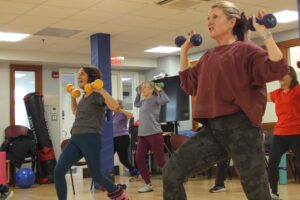
women in an exercise class lifting dumbbells while lunging forward

Osteofitness class participants at the Lexington Council on Aging

As we age, staying physically active is one of the best ways to maintain overall health, independence, and quality of life. Regular physical activity helps older adults stay strong, mobile, and mentally sharp. While aging naturally brings changes to the body, exercise can slow down many of these effects, making it an essential part of a healthy lifestyle. Whether it’s walking, swimming, yoga, or strength training, staying active provides numerous benefits that enhance both physical and mental well-being.


Improves Heart Health

One of the greatest benefits of regular physical activity is its positive impact on heart health. Exercise strengthens the heart, improves circulation, and helps regulate blood pressure. It also lowers the risk of heart disease, stroke, and high cholesterol. Activities like brisk walking, cycling, or swimming can help older adults keep their cardiovascular system strong and efficient.

Maintains Strength and Mobility

Muscle mass and bone density naturally decrease with age, leading to weakness and an increased risk of falls. However, regular strength training and weight-bearing exercises help maintain muscle strength and bone health. Activities like resistance training, bodyweight exercises, and even gardening can improve mobility, balance, and coordination, reducing the likelihood of injuries.

Aids in Weight Management

Metabolism slows as we age, making weight management more challenging. Regular exercise helps burn calories, maintain a healthy weight, and prevent obesity-related conditions like diabetes and hypertension. Even moderate physical activity, such as daily walks or light aerobic exercises, can make a significant difference in maintaining a healthy body composition.

Boosts Mental and Cognitive Health

Physical activity isn’t just good for the body, it’s also essential for brain health. Exercise reduces stress, anxiety, and depression by releasing endorphins, which promote feelings of well-being. Staying active improves cognitive function and memory, helping to lower the risk of dementia. Simple activities like dancing, tai chi, or even playing sports keeps the brain sharp and engaged.

Enhances Flexibility and Balance

Falls are a major concern for older adults, often leading to injuries and hospitalizations. Activities that focus on flexibility, balance, and coordination, such as yoga, Pilates, and tai chi, can help reduce the risk of falls. These exercises improve posture, strengthen core muscles, and enhance body awareness, making daily movements safer and more controlled.

Encourages Social Interaction

Exercise provides an excellent opportunity for older adults to socialize, which is crucial for mental and emotional well-being. Joining a fitness class, walking with friends, or participating in community sports fosters social connections and helps combat feelings of loneliness and isolation. Staying socially engaged has been linked to a longer, healthier life.

Promotes Better Sleep

Regular physical activity contributes to better sleep quality by regulating the body’s natural sleep-wake cycle. Exercise helps reduce stress and anxiety, making it easier to fall and stay asleep. Engaging in light activities like stretching or an evening walk can promote relaxation and lead to deeper, more restful sleep.


Staying physically active is one of the best ways for older adults to maintain their independence, health, and happiness. Exercise helps prevent chronic diseases, strengthens the body, and supports mental well-being. No matter the activity, staying active contributes to a longer, healthier, and more fulfilling life.
The Benefits of Walking for Older Adults

African American heterosexual couple walking bulldog on trail in summerAs we age, staying active becomes more important than ever for maintaining overall health and well-being. While high-intensity workouts may not always be feasible, walking is a simple, low-impact, and highly effective form of exercise that offers numerous benefits for older adults. Whether it’s a short stroll around the neighborhood or a brisk walk in the park, incorporating regular walking into a daily routine can have a profound impact on physical, mental, and emotional health.


1. Improves Cardiovascular Health
Walking is an excellent way to keep the heart healthy. It helps to improve circulation, lower blood pressure, and reduce the risk of heart disease and stroke. Regular walking can help manage cholesterol levels and enhance heart function, making it a great activity for older adults who want to maintain cardiovascular health.

2. Supports Joint and Bone Health
One of the biggest concerns for older adults is maintaining strong bones and preventing conditions like osteoporosis and arthritis. Walking is a weight-bearing exercise that helps strengthen bones and improves joint flexibility. Unlike high-impact activities, walking puts minimal stress on the joints, making it an ideal exercise for those with arthritis or mobility concerns.

3. Aids in Weight Management
As metabolism slows with age, managing weight can become more challenging. Walking burns calories and helps prevent weight gain. A moderate-paced walk for just 30 minutes a day can help maintain a healthy weight, reducing the risk of obesity-related conditions such as diabetes and hypertension.

4. Boosts Mental Health and Cognitive Function
Physical activity is closely linked to brain health, and walking is no exception. Regular walks help reduce stress, anxiety, and depression by releasing endorphins, the body’s natural mood-boosting hormones. Additionally, studies have shown that walking can enhance cognitive function and reduce the risk of dementia by improving blood flow to the brain and stimulating mental alertness.

5. Enhances Balance and Reduces Fall Risk
Falls are a significant concern for older adults, often leading to serious injuries and hospitalizations. Walking helps improve balance, coordination, and muscle strength, which are all critical for preventing falls. By strengthening the muscles in the legs and core, older adults can improve their stability and confidence while walking or moving around.

6. Promotes Social Interaction
Walking can also provide social benefits, especially when done in a group or with friends and family. Many communities offer walking groups for older adults, fostering a sense of companionship and motivation. Social activities like walking can help combat loneliness and improve overall emotional well-being.

7. Encourages Better Sleep
Regular physical activity, such as walking, has been linked to improved sleep quality. It helps regulate the body’s internal clock, reduce stress, and promote relaxation, making it easier to fall and stay asleep. A daily walk, especially in the morning or afternoon, can lead to a more restful night’s sleep.

Walking is one of the most accessible and effective ways for older adults to maintain their health and independence. Whether it’s for heart health, mental well-being, or simply enjoying the fresh air, walking offers countless benefits with minimal risk. By making walking a part of their daily routine, older adults can enjoy a healthier, more active, and fulfilling lifestyle.