Feb 10, 2026 | Falls Prevention, Fitness, Healthy Aging, Nutrition
As we age, gradual muscle loss, known as sarcopenia, becomes one of the most important health challenges facing older adults. Starting as early as our 40s and accelerating after age 60, muscle mass and strength naturally decline. The result? Reduced mobility, increased risk of falls, slower recovery from illness, and decreased independence.
Fortunately, age-related muscle loss is not inevitable. With the right combination of exercise and nutrition, older adults can rebuild, not just preserve, strength at any age.
Strength Training: The Cornerstone of Prevention
Resistance exercise is the single most effective strategy to combat muscle loss. This doesn’t require lifting heavy weights at a gym (though that works too). It includes:
- Resistance bands
- Light dumbbells
- Bodyweight exercises like sit-to-stands or wall push-ups
- Fitness room machines
- Chair-based strength classes
Research consistently shows that strength training two or three times per week can increase muscle mass, improve balance, and enhance functional independence. Even adults in their 90s see measurable gains.
The key is progressive overload, a gradual increase in resistance over time to challenge our muscles.
Protein: Fuel for Muscle Repair
Exercise stimulates muscle growth, but nutrition provides the building blocks.
Older adults often consume less protein than needed. Our favorite back-of-the envelope calculation is to divide your weight in half. That number is an estimated minimum number of grams of daily protein. The actual calculation is (weight in pounds/2.2) x 1.2. For a 150-pound person, those results are 75g and 81g, respectively.
To maintain muscle, spread protein intake throughout the day with 20-25 grams per meal so your body can digest and absorb it. You don’t want it going to waste! Choose:
- Beans and lentils
- Tofu
- Fish
- Eggs
- Milk
- Unsweetened Greek yogurt
- Lean meats and poultry
Pairing protein intake shortly after strength exercise enhances muscle repair and growth.
Don’t Forget Vitamin D and Overall Nutrition
Vitamin D plays a role in muscle function and strength. Many older adults are deficient, particularly in northern climates. Choose foods such as salmon, trout, sardines, canned tuna, egg yolks, cod liver oil, fortified food options including milk, orange juice and breakfast cereals.
Adequate calories overall are essential. Undereating, even unintentionally, can accelerate muscle loss. Balanced meals that include protein, whole grains, fruits, vegetables, and healthy fats provide the nutrients needed to support strength and energy.
Movement Beyond Your Workout
Daily physical activity matters. Walking, Tai Chi, gardening, and climbing stairs all contribute to maintaining muscle and balance. The goal is to reduce sedentary time and stay consistently active.
The Bottom Line
Muscle loss may be common with aging, but it is not unavoidable. A combination of regular strength training, adequate protein, and overall balanced nutrition can preserve mobility, reduce fall risk, and support independence for years to come.
Jan 6, 2026 | Healthy Aging
A Healthier New Year: Mindset First, Habits Second
As a new year begins, many older adults feel pressure to make big resolutions such as losing weight, exercising daily or avoiding all sweets. While intentions are good, strict resolutions are difficult to maintain and often fade by February. A healthier and more sustainable approach is to focus on mindset first. When the way we think about health changes, daily habits follow more naturally.
Healthy living in later life isn’t about perfection or comparison. It’s about supporting energy, independence, and enjoyment of everyday life. Below are ten practical mindset-based strategies to help older adults build healthy habits that last all year.
Shift from all-or-nothing to something is better than nothing. Ten minutes of movement counts. One balanced meal matters. Progress adds up over time.
Focus on what you can add, not what you must give up. Instead of cutting foods out, add more vegetables, water, fiber, or protein. Addition feels positive and achievable.
Set process goals, not outcome goals. Rather than ‘lose 15 pounds’, try ‘walk after lunch three times’ a week or ‘batch cook weekly’.
Honor your body’s current needs. Energy levels, mobility, and health conditions change with age. Adjust expectations without judgment. Go with the flow!
Build routines around daily life. Attach healthy habits to things you already do: stretch while watching TV, hydrate with medications, walk after meals. This is also known as habit stacking.
Practice consistency over intensity. Gentle, regular movement is more beneficial and safer than sporadic intense workouts.
Redefine success. Success might mean fewer aches, better balance, improved blood sugar, or feeling more confident in your body.
Use curiosity instead of criticism. If a habit doesn’t stick, instead of blaming yourself, ask yourself why. Small adjustments can lead to a better fit.
Prioritize enjoyment. Choose the healthful foods and activities you enjoy. Pleasure is a powerful motivator for long-term health.
Permit yourself to start again. Missed a week? Had a setback? Progress is not 100% linear. The next meal or next morning is always a fresh start. There is no need to wait or give up.
A healthy lifestyle isn’t a 30-day challenge. It’s a lifelong relationship with your body. For older adults, mindset matters more than willpower. When health goals are realistic, flexible, and kind, they support not only physical well-being, but also confidence and peace of mind.
This new year, consider letting go of rigid resolutions. Choose a mindset that supports steady, compassionate progress. Small steps, taken consistently, can lead to meaningful change and a healthier, more enjoyable year ahead.
May 6, 2025 | Age & Dementia Friendly, Healthy Aging
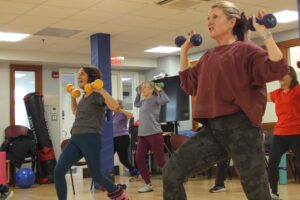
Osteofitness class participants at the Lexington Council on Aging
As we age, staying physically active is one of the best ways to maintain overall health, independence, and quality of life. Regular physical activity helps older adults stay strong, mobile, and mentally sharp. While aging naturally brings changes to the body, exercise can slow down many of these effects, making it an essential part of a healthy lifestyle. Whether it’s walking, swimming, yoga, or strength training, staying active provides numerous benefits that enhance both physical and mental well-being.
Improves Heart Health
One of the greatest benefits of regular physical activity is its positive impact on heart health. Exercise strengthens the heart, improves circulation, and helps regulate blood pressure. It also lowers the risk of heart disease, stroke, and high cholesterol. Activities like brisk walking, cycling, or swimming can help older adults keep their cardiovascular system strong and efficient.
Maintains Strength and Mobility
Muscle mass and bone density naturally decrease with age, leading to weakness and an increased risk of falls. However, regular strength training and weight-bearing exercises help maintain muscle strength and bone health. Activities like resistance training, bodyweight exercises, and even gardening can improve mobility, balance, and coordination, reducing the likelihood of injuries.
Aids in Weight Management
Metabolism slows as we age, making weight management more challenging. Regular exercise helps burn calories, maintain a healthy weight, and prevent obesity-related conditions like diabetes and hypertension. Even moderate physical activity, such as daily walks or light aerobic exercises, can make a significant difference in maintaining a healthy body composition.
Boosts Mental and Cognitive Health
Physical activity isn’t just good for the body, it’s also essential for brain health. Exercise reduces stress, anxiety, and depression by releasing endorphins, which promote feelings of well-being. Staying active improves cognitive function and memory, helping to lower the risk of dementia. Simple activities like dancing, tai chi, or even playing sports keeps the brain sharp and engaged.
Enhances Flexibility and Balance
Falls are a major concern for older adults, often leading to injuries and hospitalizations. Activities that focus on flexibility, balance, and coordination, such as yoga, Pilates, and tai chi, can help reduce the risk of falls. These exercises improve posture, strengthen core muscles, and enhance body awareness, making daily movements safer and more controlled.
Encourages Social Interaction
Exercise provides an excellent opportunity for older adults to socialize, which is crucial for mental and emotional well-being. Joining a fitness class, walking with friends, or participating in community sports fosters social connections and helps combat feelings of loneliness and isolation. Staying socially engaged has been linked to a longer, healthier life.
Promotes Better Sleep
Regular physical activity contributes to better sleep quality by regulating the body’s natural sleep-wake cycle. Exercise helps reduce stress and anxiety, making it easier to fall and stay asleep. Engaging in light activities like stretching or an evening walk can promote relaxation and lead to deeper, more restful sleep.
Staying physically active is one of the best ways for older adults to maintain their independence, health, and happiness. Exercise helps prevent chronic diseases, strengthens the body, and supports mental well-being. No matter the activity, staying active contributes to a longer, healthier, and more fulfilling life.
Apr 2, 2025 | Falls Prevention, Fitness, Healthy Aging
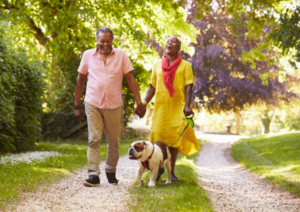 As we age, staying active becomes more important than ever for maintaining overall health and well-being. While high-intensity workouts may not always be feasible, walking is a simple, low-impact, and highly effective form of exercise that offers numerous benefits for older adults. Whether it’s a short stroll around the neighborhood or a brisk walk in the park, incorporating regular walking into a daily routine can have a profound impact on physical, mental, and emotional health.
1. Improves Cardiovascular Health
Walking is an excellent way to keep the heart healthy. It helps to improve circulation, lower blood pressure, and reduce the risk of heart disease and stroke. Regular walking can help manage cholesterol levels and enhance heart function, making it a great activity for older adults who want to maintain cardiovascular health.
2. Supports Joint and Bone Health
One of the biggest concerns for older adults is maintaining strong bones and preventing conditions like osteoporosis and arthritis. Walking is a weight-bearing exercise that helps strengthen bones and improves joint flexibility. Unlike high-impact activities, walking puts minimal stress on the joints, making it an ideal exercise for those with arthritis or mobility concerns.
3. Aids in Weight Management
As metabolism slows with age, managing weight can become more challenging. Walking burns calories and helps prevent weight gain. A moderate-paced walk for just 30 minutes a day can help maintain a healthy weight, reducing the risk of obesity-related conditions such as diabetes and hypertension.
4. Boosts Mental Health and Cognitive Function
Physical activity is closely linked to brain health, and walking is no exception. Regular walks help reduce stress, anxiety, and depression by releasing endorphins, the body’s natural mood-boosting hormones. Additionally, studies have shown that walking can enhance cognitive function and reduce the risk of dementia by improving blood flow to the brain and stimulating mental alertness.
5. Enhances Balance and Reduces Fall Risk
Falls are a significant concern for older adults, often leading to serious injuries and hospitalizations. Walking helps improve balance, coordination, and muscle strength, which are all critical for preventing falls. By strengthening the muscles in the legs and core, older adults can improve their stability and confidence while walking or moving around.
6. Promotes Social Interaction
Walking can also provide social benefits, especially when done in a group or with friends and family. Many communities offer walking groups for older adults, fostering a sense of companionship and motivation. Social activities like walking can help combat loneliness and improve overall emotional well-being.
7. Encourages Better Sleep
Regular physical activity, such as walking, has been linked to improved sleep quality. It helps regulate the body’s internal clock, reduce stress, and promote relaxation, making it easier to fall and stay asleep. A daily walk, especially in the morning or afternoon, can lead to a more restful night’s sleep.
Walking is one of the most accessible and effective ways for older adults to maintain their health and independence. Whether it’s for heart health, mental well-being, or simply enjoying the fresh air, walking offers countless benefits with minimal risk. By making walking a part of their daily routine, older adults can enjoy a healthier, more active, and fulfilling lifestyle.
Feb 4, 2025 | Chronic Diseases, Fitness, Healthy Aging, Nutrition, Public Health
 February is a month of love, but it’s also a time to raise awareness about critical health issues affecting women, especially African American women and older adults. With Valentine’s Day symbolizing love and connection and World Pulses Day (February 10) promoting heart-healthy nutrition, it’s the perfect time to discuss how we can show love to our hearts and bodies.
The Link Between Heart Health and Cancer
Heart disease and cancer are the two leading causes of death among women in the United States, particularly for older adults. While they may seem like separate health concerns, they are closely connected. Cancer treatments—such as chemotherapy, radiation, and hormone therapy—can increase the risk of heart disease, especially in aging adults whose cardiovascular systems may already be weakened. Additionally, both heart disease and cancer share common risk factors, including poor diet, lack of physical activity, and chronic stress.
African American women, in particular, face a higher risk for both conditions. They are more likely to develop heart disease earlier in life and experience more aggressive forms of breast cancer. Social determinants of health—such as limited access to nutritious foods, healthcare disparities, and high levels of stress—play a significant role in these health inequities.
Why Heart Health Matters for Women, Especially Older Adults
Women often experience different symptoms of heart disease than men, making it harder to recognize the warning signs. Instead of the classic chest pain, women may feel shortness of breath, nausea, dizziness, or jaw pain. Unfortunately, heart disease is sometimes overlooked in women, leading to delayed treatment and worse outcomes.
For older women, the risk increases with age due to factors such as:
- Arterial Stiffening – Blood vessels lose elasticity, making it harder for the heart to pump efficiently.
- Menopause-Related Changes – Declining estrogen levels can lead to higher cholesterol and increased cardiovascular risk.
- Weakened Heart Muscle – Aging can lead to heart failure, where the heart struggles to pump blood effectively.
- Multiple Chronic Conditions – Many older adults manage conditions like diabetes, high blood pressure, and arthritis, which can compound heart health risks.
For older African American women, the risks are even more pronounced. According to the American Heart Association, nearly 50% of Black women over the age of 20 have some form of heart disease, with numbers increasing significantly among seniors. High blood pressure, obesity, and diabetes remain leading causes, yet many of these conditions can be managed through lifestyle changes.
To learn more about the risk and signs of heart disease and to increase awareness, visit www.goredforwomen.org
World Pulses Day: A Celebration of Heart-Healthy Foods
One simple yet powerful way to support heart health is through nutrition. That’s where World Pulses Day, February 10 comes in. Pulses—such as beans, lentils, chickpeas, and peas—are packed with fiber, plant-based protein, and essential nutrients that support heart health.
For older adults, pulses are particularly beneficial because they:
- Help lower cholesterol naturally, reducing the risk of heart disease.
- Are high in soluble fiber, aiding in digestion and preventing constipation, a common issue in aging.
- Are gentle on blood sugar levels, making them great for those managing diabetes.
- Provide plant-based protein, which is essential for maintaining muscle strength and bone health.
For African American women, incorporating more pulses into traditional dishes can be a delicious and health-conscious choice. Try adding black-eyed peas to salads, making lentil-based soups, or substituting beans for meat in stews.
Show Your Heart Some Love This Valentine’s Day
This Valentine’s Day, go beyond chocolates and flowers—show love to your heart and encourage others to do the same. Here are a few heart-healthy ways for older adults to celebrate:
- Cook a Heart-Healthy Meal – Prepare a meal rich in pulses, vegetables, and healthy fats.
- Move Together – Engage in low-impact activities like walking, swimming, or chair yoga.
- Get Screened – Regular check-ups for blood pressure, cholesterol, and heart function are crucial as we age.
- Stay Socially Connected – Loneliness can contribute to heart disease; spend time with loved ones or join community groups.
- Spread Awareness – Share information about heart disease and cancer prevention with the women in your life.
A Lifetime of Love for Your Heart
Aging doesn’t mean giving up on good health. In fact, it’s never too late to make lifestyle changes that benefit your heart. By embracing heart-healthy habits, staying active, and making mindful food choices, older adults—especially African American women—can take control of their heart health and overall well-being.
This February, let’s celebrate love—not just for others, but for our hearts and our health.