Feb 10, 2026 | Falls Prevention, Fitness, Healthy Aging, Nutrition
As we age, gradual muscle loss, known as sarcopenia, becomes one of the most important health challenges facing older adults. Starting as early as our 40s and accelerating after age 60, muscle mass and strength naturally decline. The result? Reduced mobility, increased risk of falls, slower recovery from illness, and decreased independence.
Fortunately, age-related muscle loss is not inevitable. With the right combination of exercise and nutrition, older adults can rebuild, not just preserve, strength at any age.
Strength Training: The Cornerstone of Prevention
Resistance exercise is the single most effective strategy to combat muscle loss. This doesn’t require lifting heavy weights at a gym (though that works too). It includes:
- Resistance bands
- Light dumbbells
- Bodyweight exercises like sit-to-stands or wall push-ups
- Fitness room machines
- Chair-based strength classes
Research consistently shows that strength training two or three times per week can increase muscle mass, improve balance, and enhance functional independence. Even adults in their 90s see measurable gains.
The key is progressive overload, a gradual increase in resistance over time to challenge our muscles.
Protein: Fuel for Muscle Repair
Exercise stimulates muscle growth, but nutrition provides the building blocks.
Older adults often consume less protein than needed. Our favorite back-of-the envelope calculation is to divide your weight in half. That number is an estimated minimum number of grams of daily protein. The actual calculation is (weight in pounds/2.2) x 1.2. For a 150-pound person, those results are 75g and 81g, respectively.
To maintain muscle, spread protein intake throughout the day with 20-25 grams per meal so your body can digest and absorb it. You don’t want it going to waste! Choose:
- Beans and lentils
- Tofu
- Fish
- Eggs
- Milk
- Unsweetened Greek yogurt
- Lean meats and poultry
Pairing protein intake shortly after strength exercise enhances muscle repair and growth.
Don’t Forget Vitamin D and Overall Nutrition
Vitamin D plays a role in muscle function and strength. Many older adults are deficient, particularly in northern climates. Choose foods such as salmon, trout, sardines, canned tuna, egg yolks, cod liver oil, fortified food options including milk, orange juice and breakfast cereals.
Adequate calories overall are essential. Undereating, even unintentionally, can accelerate muscle loss. Balanced meals that include protein, whole grains, fruits, vegetables, and healthy fats provide the nutrients needed to support strength and energy.
Movement Beyond Your Workout
Daily physical activity matters. Walking, Tai Chi, gardening, and climbing stairs all contribute to maintaining muscle and balance. The goal is to reduce sedentary time and stay consistently active.
The Bottom Line
Muscle loss may be common with aging, but it is not unavoidable. A combination of regular strength training, adequate protein, and overall balanced nutrition can preserve mobility, reduce fall risk, and support independence for years to come.
Apr 2, 2025 | Falls Prevention, Fitness, Healthy Aging
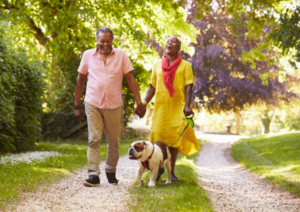 As we age, staying active becomes more important than ever for maintaining overall health and well-being. While high-intensity workouts may not always be feasible, walking is a simple, low-impact, and highly effective form of exercise that offers numerous benefits for older adults. Whether it’s a short stroll around the neighborhood or a brisk walk in the park, incorporating regular walking into a daily routine can have a profound impact on physical, mental, and emotional health.
1. Improves Cardiovascular Health
Walking is an excellent way to keep the heart healthy. It helps to improve circulation, lower blood pressure, and reduce the risk of heart disease and stroke. Regular walking can help manage cholesterol levels and enhance heart function, making it a great activity for older adults who want to maintain cardiovascular health.
2. Supports Joint and Bone Health
One of the biggest concerns for older adults is maintaining strong bones and preventing conditions like osteoporosis and arthritis. Walking is a weight-bearing exercise that helps strengthen bones and improves joint flexibility. Unlike high-impact activities, walking puts minimal stress on the joints, making it an ideal exercise for those with arthritis or mobility concerns.
3. Aids in Weight Management
As metabolism slows with age, managing weight can become more challenging. Walking burns calories and helps prevent weight gain. A moderate-paced walk for just 30 minutes a day can help maintain a healthy weight, reducing the risk of obesity-related conditions such as diabetes and hypertension.
4. Boosts Mental Health and Cognitive Function
Physical activity is closely linked to brain health, and walking is no exception. Regular walks help reduce stress, anxiety, and depression by releasing endorphins, the body’s natural mood-boosting hormones. Additionally, studies have shown that walking can enhance cognitive function and reduce the risk of dementia by improving blood flow to the brain and stimulating mental alertness.
5. Enhances Balance and Reduces Fall Risk
Falls are a significant concern for older adults, often leading to serious injuries and hospitalizations. Walking helps improve balance, coordination, and muscle strength, which are all critical for preventing falls. By strengthening the muscles in the legs and core, older adults can improve their stability and confidence while walking or moving around.
6. Promotes Social Interaction
Walking can also provide social benefits, especially when done in a group or with friends and family. Many communities offer walking groups for older adults, fostering a sense of companionship and motivation. Social activities like walking can help combat loneliness and improve overall emotional well-being.
7. Encourages Better Sleep
Regular physical activity, such as walking, has been linked to improved sleep quality. It helps regulate the body’s internal clock, reduce stress, and promote relaxation, making it easier to fall and stay asleep. A daily walk, especially in the morning or afternoon, can lead to a more restful night’s sleep.
Walking is one of the most accessible and effective ways for older adults to maintain their health and independence. Whether it’s for heart health, mental well-being, or simply enjoying the fresh air, walking offers countless benefits with minimal risk. By making walking a part of their daily routine, older adults can enjoy a healthier, more active, and fulfilling lifestyle.
Aug 26, 2024 | Education & Training, Falls Prevention, Fitness, Healthy Aging, Malnutrition, Member Services, Nutrition, Public Health
ActiveAgers data is due in only a few weeks (September 15)! Remember to submit your data covering Jan 1 – Aug 30 to be eligible for individual and COA prizes. See p. 4 for details. Email them (and any questions) to tara@mcoaonline.org Kudos to those who already submitted reports!
Feeding America Research Finds nearly 12 million adults 50+ experienced food insecurity in 2022. New research from Feeding America “estimates 1 in 11 [60y+] faced hunger in the United States in 2022.” These numbers are up from the previous year, and food insecurity can greatly impact the way we age. Nationwide, this percentage is 8.7% and in Massachusetts it’s 7.1%.
Malnutrition Awareness Week is September 16-20 – Use the special code MAW-MCOA to access complimentary webinars. Additional resources on ASPEN’s Spread the Word page to help you plan and promote Malnutrition Awareness Week include:
-
- A tip sheet and ambassador success stories for organizing MAW activities
- A media toolkit with tips for contacting local newspapers and TV and radio stations, a press release template, and prepared public service announcements (PSAs)
- Malnutrition Awareness Week stickers (PDF) in English, Spanish, and Portuguese. And if you’re in the U.S. or Canada, you can order pre-printed stickers by filling out this form.
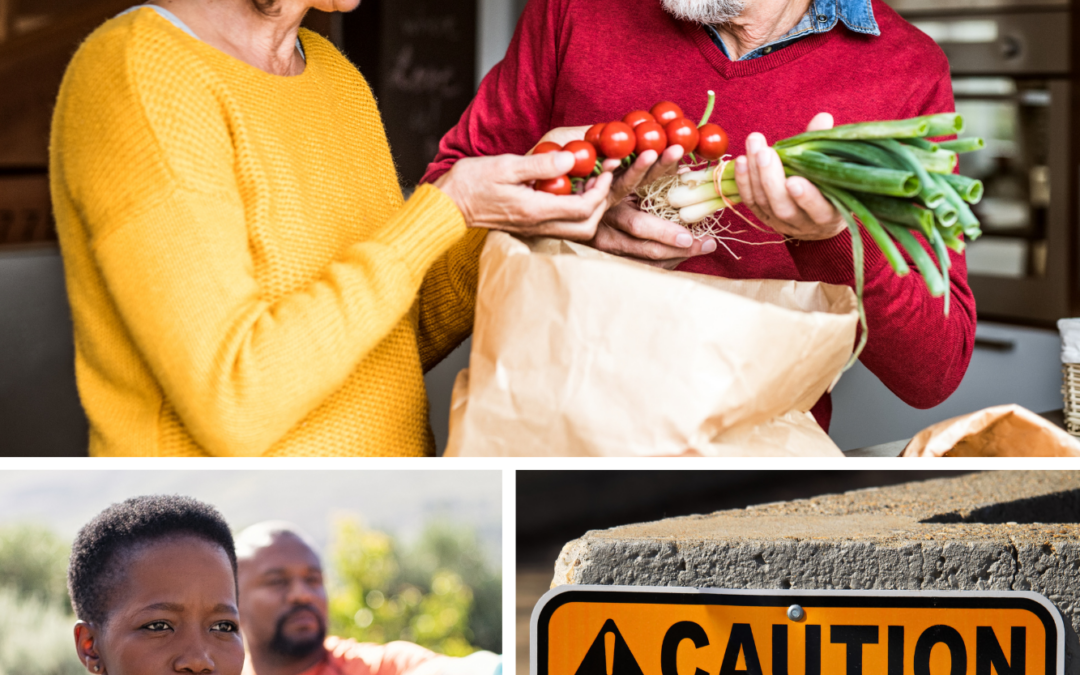
How HIP Works: We are deep in produce harvest and farmers’ market season. Remember, if one has SNAP benefits, they automatically receive HIP benefits which boost purchases on fruits, vegetable, etc. Check out the video for a refresher on the program.
Falls Prevention Week is September 23-27 – In addition to NCOA’s toolkit, remember to access the free Stepping Up Your Nutrition workshop leader training.
An eLearning Library from the National Center for Equitable Care for Elders – includes modules such as: