Jun 17, 2026 | Economic Security & Outreach Blog, Malnutrition, News, Nutrition
 Mass Aging Access, the membership and advocacy organization for Aging Services Access Points in MA, has issued an advocacy alert to protect Meals on Wheels. If you’re concerned about the future of this program, which uses combined federal and state funding, visit their “Take Action” webpage and enter your contact information to notify your state legislators that you support funding in the state’s final FY27 budget ($13.9M) that will prevent future enrollment caps, waiting lists, and delays in service.
From a recent guest column in Worcester Telegram & Gazette, co-written by Betsey Crimmins, Executive Director of Mass Aging Access, and Lisa Kippax, Executive Director of Elder Services of Worcester Area:
“Food-insecure older adults are also more than twice as likely to visit an emergency department or require hospitalization or a costly nursing home admission. This means that underinvesting in nutrition programs for older adults simply causes a shifting of costs to the most expensive health care settings.”
Additional articles that will help you to learn the facts and strengthen your advocacy:
Feb 10, 2026 | Falls Prevention, Fitness, Healthy Aging, Nutrition
As we age, gradual muscle loss, known as sarcopenia, becomes one of the most important health challenges facing older adults. Starting as early as our 40s and accelerating after age 60, muscle mass and strength naturally decline. The result? Reduced mobility, increased risk of falls, slower recovery from illness, and decreased independence.
Fortunately, age-related muscle loss is not inevitable. With the right combination of exercise and nutrition, older adults can rebuild, not just preserve, strength at any age.
Strength Training: The Cornerstone of Prevention
Resistance exercise is the single most effective strategy to combat muscle loss. This doesn’t require lifting heavy weights at a gym (though that works too). It includes:
- Resistance bands
- Light dumbbells
- Bodyweight exercises like sit-to-stands or wall push-ups
- Fitness room machines
- Chair-based strength classes
Research consistently shows that strength training two or three times per week can increase muscle mass, improve balance, and enhance functional independence. Even adults in their 90s see measurable gains.
The key is progressive overload, a gradual increase in resistance over time to challenge our muscles.
Protein: Fuel for Muscle Repair
Exercise stimulates muscle growth, but nutrition provides the building blocks.
Older adults often consume less protein than needed. Our favorite back-of-the envelope calculation is to divide your weight in half. That number is an estimated minimum number of grams of daily protein. The actual calculation is (weight in pounds/2.2) x 1.2. For a 150-pound person, those results are 75g and 81g, respectively.
To maintain muscle, spread protein intake throughout the day with 20-25 grams per meal so your body can digest and absorb it. You don’t want it going to waste! Choose:
- Beans and lentils
- Tofu
- Fish
- Eggs
- Milk
- Unsweetened Greek yogurt
- Lean meats and poultry
Pairing protein intake shortly after strength exercise enhances muscle repair and growth.
Don’t Forget Vitamin D and Overall Nutrition
Vitamin D plays a role in muscle function and strength. Many older adults are deficient, particularly in northern climates. Choose foods such as salmon, trout, sardines, canned tuna, egg yolks, cod liver oil, fortified food options including milk, orange juice and breakfast cereals.
Adequate calories overall are essential. Undereating, even unintentionally, can accelerate muscle loss. Balanced meals that include protein, whole grains, fruits, vegetables, and healthy fats provide the nutrients needed to support strength and energy.
Movement Beyond Your Workout
Daily physical activity matters. Walking, Tai Chi, gardening, and climbing stairs all contribute to maintaining muscle and balance. The goal is to reduce sedentary time and stay consistently active.
The Bottom Line
Muscle loss may be common with aging, but it is not unavoidable. A combination of regular strength training, adequate protein, and overall balanced nutrition can preserve mobility, reduce fall risk, and support independence for years to come.
Aug 5, 2025 | Healthy Aging, News
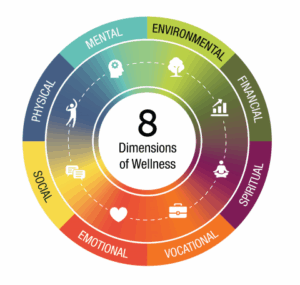 There’s more to being well than eating right and exercising! Wellness wheels showcase several aspects contributing to an individual’s health and fulfilling life.
National Wellness Month emphasizes the need to slow down and focus on small yet impactful lifestyle changes that lead to long-term wellbeing. Wellness should be an ongoing priority without being overwhelming. While August lasts for only 31 days, the habits and practices developed during National Wellness Month can lead to lifelong improvements.
Ways to Celebrate National Wellness Month
- Prioritize self-care – Engage in activities that you enjoy! They should make you feel refreshed and rejuvenated.
- Improve your diet – Add more whole foods, fruits, and vegetables into your meals to prevent disease and enhance energy levels.
- Increase physical activity – Whether it’s a daily walk, yoga, or a fitness class, staying active is crucial for a healthy body and mind.
- Stay hydrated – Drinking enough fluids daily is essential for digestion, circulation, and other bodily functions.
- Practice mindfulness and stress management – Deep breathing exercises, journaling, and meditation help manage stress and improve mental clarity.
- Get adequate sleep – Prioritizing quality sleep enhances mood, cognitive function, and physical well-being.
- Connect with others – Social interactions and meaningful relationships are vital for emotional health. Spend time with family, friends, or support groups to stay connected.
- Set wellness goals – Establish realistic goals. Track your progress to stay motivated throughout the month.
Setting wellness goals is an effective way to prioritize your physical, mental, and emotional wellbeing. No matter what you want to improve, establishing clear goals can keep you motivated and focused. By taking small, manageable steps toward better health, you can create sustainable routines supporting year-round wellbeing.
10 Ways to Set Wellness Goals
- Define your wellness priorities – Identify areas of wellness to focus on.
- Set SMART goals – Your goals should be Specific, Measurable, Achievable, Relevant and Time-bound to track progress effectively.
- Start small and build gradually – Begin with manageable changes and increase over time.
- Create a wellness plan – Outlining the steps will help you reach your goals. Include deadlines and action items.
- Track your progress – Use journals, apps or trackers to monitor your achievements. Adjust along the way, if needed!
- Stay accountable – Share your goals with someone or join a group and check in regularly.
- Incorporate mindfulness – Meditation, deep breathing or gratitude journaling supports mental and emotional wellness.
- Adapt to challenges – Be flexible and willing to adjust your goals if circumstances change. Be kind to yourself.
- Reward yourself – Celebrate small milestones with rewards that encourage your progress.
- Make wellness a lifestyle – Integrate healthy habits slowly so they become a long-term part of your life. Consistency is key.
Finally, consider a wellness wheel’s shape as well its dimensions. As a circle, there’s no starting point. It’s ongoing. As is in life, it’s never too late to start. Hop on that wheel and roll into wellness. Create your own path with that wheel. Wellness is a journey, not a destination. Cue more wellness puns and clichés . . .
Feb 4, 2025 | Chronic Diseases, Fitness, Healthy Aging, Nutrition, Public Health
 February is a month of love, but it’s also a time to raise awareness about critical health issues affecting women, especially African American women and older adults. With Valentine’s Day symbolizing love and connection and World Pulses Day (February 10) promoting heart-healthy nutrition, it’s the perfect time to discuss how we can show love to our hearts and bodies.
The Link Between Heart Health and Cancer
Heart disease and cancer are the two leading causes of death among women in the United States, particularly for older adults. While they may seem like separate health concerns, they are closely connected. Cancer treatments—such as chemotherapy, radiation, and hormone therapy—can increase the risk of heart disease, especially in aging adults whose cardiovascular systems may already be weakened. Additionally, both heart disease and cancer share common risk factors, including poor diet, lack of physical activity, and chronic stress.
African American women, in particular, face a higher risk for both conditions. They are more likely to develop heart disease earlier in life and experience more aggressive forms of breast cancer. Social determinants of health—such as limited access to nutritious foods, healthcare disparities, and high levels of stress—play a significant role in these health inequities.
Why Heart Health Matters for Women, Especially Older Adults
Women often experience different symptoms of heart disease than men, making it harder to recognize the warning signs. Instead of the classic chest pain, women may feel shortness of breath, nausea, dizziness, or jaw pain. Unfortunately, heart disease is sometimes overlooked in women, leading to delayed treatment and worse outcomes.
For older women, the risk increases with age due to factors such as:
- Arterial Stiffening – Blood vessels lose elasticity, making it harder for the heart to pump efficiently.
- Menopause-Related Changes – Declining estrogen levels can lead to higher cholesterol and increased cardiovascular risk.
- Weakened Heart Muscle – Aging can lead to heart failure, where the heart struggles to pump blood effectively.
- Multiple Chronic Conditions – Many older adults manage conditions like diabetes, high blood pressure, and arthritis, which can compound heart health risks.
For older African American women, the risks are even more pronounced. According to the American Heart Association, nearly 50% of Black women over the age of 20 have some form of heart disease, with numbers increasing significantly among seniors. High blood pressure, obesity, and diabetes remain leading causes, yet many of these conditions can be managed through lifestyle changes.
To learn more about the risk and signs of heart disease and to increase awareness, visit www.goredforwomen.org
World Pulses Day: A Celebration of Heart-Healthy Foods
One simple yet powerful way to support heart health is through nutrition. That’s where World Pulses Day, February 10 comes in. Pulses—such as beans, lentils, chickpeas, and peas—are packed with fiber, plant-based protein, and essential nutrients that support heart health.
For older adults, pulses are particularly beneficial because they:
- Help lower cholesterol naturally, reducing the risk of heart disease.
- Are high in soluble fiber, aiding in digestion and preventing constipation, a common issue in aging.
- Are gentle on blood sugar levels, making them great for those managing diabetes.
- Provide plant-based protein, which is essential for maintaining muscle strength and bone health.
For African American women, incorporating more pulses into traditional dishes can be a delicious and health-conscious choice. Try adding black-eyed peas to salads, making lentil-based soups, or substituting beans for meat in stews.
Show Your Heart Some Love This Valentine’s Day
This Valentine’s Day, go beyond chocolates and flowers—show love to your heart and encourage others to do the same. Here are a few heart-healthy ways for older adults to celebrate:
- Cook a Heart-Healthy Meal – Prepare a meal rich in pulses, vegetables, and healthy fats.
- Move Together – Engage in low-impact activities like walking, swimming, or chair yoga.
- Get Screened – Regular check-ups for blood pressure, cholesterol, and heart function are crucial as we age.
- Stay Socially Connected – Loneliness can contribute to heart disease; spend time with loved ones or join community groups.
- Spread Awareness – Share information about heart disease and cancer prevention with the women in your life.
A Lifetime of Love for Your Heart
Aging doesn’t mean giving up on good health. In fact, it’s never too late to make lifestyle changes that benefit your heart. By embracing heart-healthy habits, staying active, and making mindful food choices, older adults—especially African American women—can take control of their heart health and overall well-being.
This February, let’s celebrate love—not just for others, but for our hearts and our health.
Nov 8, 2024 | Dining, Healthy Aging, Malnutrition, Nutrition
In 2024 we held three robust discussions on councils on aging dining program. These overviews brought together dozens of COAs with many questions, suggestions and desires to create or improve current options.
Moving forward, MCOA will host bimonthly virtual meetings that are topic specific.
- Beginning December 12, 2024, these will be held every other month on the second Thursday, 2-3pm. Mark your calendars for next month’s meeting and the 2025 dates: 2/13, 4/10, 6/12, 8/14 and 12/11. December’s meeting registration will be out soon!
- Complete the survey below and share which topics are most important to you.
- Through the meetings and surveys, we’ll compile resource listings for each topic (recipes, equipment procurement, reservation/payment systems, etc.)
- Have a resource item to share? Email it to tara@mcoaonline.org. Start today and email your favorite recipe, cookbook or recipe website!
As promised at MCOA’s dining program workshop, here is the kitchen measurements reference poster.
Dining Program Discussion Topics Survey
Now that we had three general discussion groups, let’s focus upcoming meetings by topic. These meetings will occur every other month, on the second Thursday, 2-3p, beginning 12/12/24.